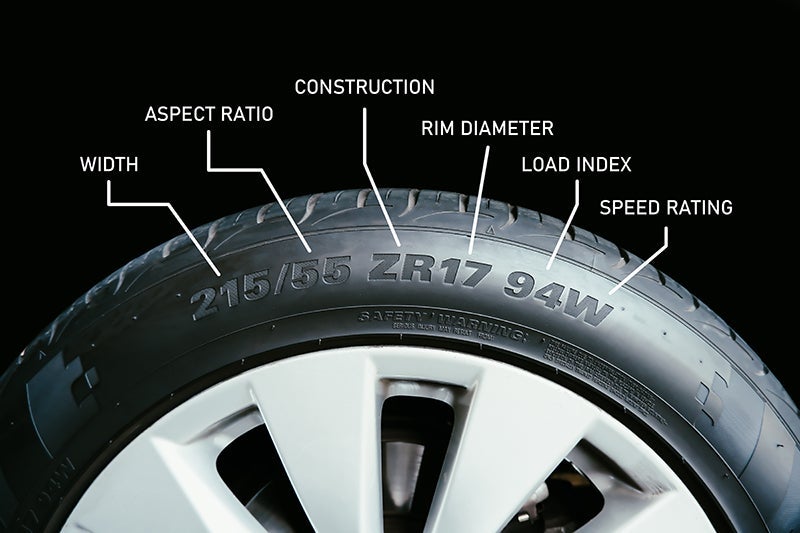
Key takeaways: • It's no secret that taking good care and maintaining your car can help maintain its value. But other surprising factors can also impact your car's worth. • Things like a bumper sticker, fender benders, and even where you live can all play a role in devaluing your vehicle. • Even your driving and smoking habits can be factors, so it's important to be aware of the things that can hurt your car's value. • It is crucial to have your vehicle appraised at a reputable dealership before you consider scheduling repairs & proceeding with a sale or trade-in. It's no secret that a new car loses a significant amount of its value as soon as it drives off the lot. In fact, according to Edmunds, the average new car depreciates by about 20% in its first 12 months. Therefore, many things can hurt your car's value. Things like accidents, improper maintenance, and even the color of your car can all have an impact on how much money you will get for it when you go to sell. This blog post by Lynn Layton Ford will discuss some of the most surprising things that can hurt your car's value. Some may seem like common sense, but others may surprise you! Keep reading to learn more. 01: Bumper Stickers Bumper stickers can be an amusing way to show off your personality. You can have a funny saying, support your favorite team, or display political beliefs. However, bumper stickers can hurt the value of your car. While some people may not mind a few bumper stickers, others may find them tacky and unappealing. This can turn potential buyers away and lowball you on an offer. Removing them yourself could cause problems if you harm the automobile or peel the paint. If you're not careful, you could cost yourself more money in the long run. 02: Vague Maintenance History Maintaining your automobile is one of the most crucial things you can do to keep its worth. This can entail routine vehicle maintenance, such as oil changes, fluid inspections, tire rotations, brake pad replacement, and any necessary repairs. Without these routine inspections and maintenance, your automobile may sustain damage and lose years or miles from its lifespan. If you're selling your car, the buyer will want to know about its maintenance history. Without this information, buyers will be skeptical and may not want to purchase your car. Make sure you have all the paperwork from when the work was done to show it to potential buyers. 03: Cigarette Burns and Smell Cigarette burns or the smell of cigarettes can hurt your car's value, especially if you're trying to sell it to a nonsmoker. Try to avoid smoking in your automobile if you are a smoker. If there are already burns or the smell is present, try cleaning it with a fabric cleaner or shampoo to remove the smoke odor. You may also want to have the interior professionally cleaned before you put your car up for sale. 04: Old and Worn-Out Tires Tires are one of your car's most crucial components. However, they become worn-out and outdated with time, reducing your vehicle's value. Tires with worn-out treads can cause your car to slip and skid on wet roads and blow out while you're driving. If you're selling your car, ensure the tires are in good condition and have plenty of treads left. It is recommended to replace your tires before you sell your automobile since a potential buyer might not want to deal with the trouble and price of doing so. 05: A Cracked Windshield A simple chip or crack on the windshield is not only unsightly but can also be dangerous. Windshields are designed to protect you in the event of a collision, and if they are cracked, they might not be able to do their job properly. If you're selling your car, get the windshield fixed before you list it for sale. A helpful hint is to check your auto insurance to determine what your coverage may cover in replacing or repairing your windshield. 06: Odd Paint Color While you may have been drawn to that electric blue paint job when you first bought your car, not everyone will feel the same way. Odd paint color can be a big turnoff for potential buyers. For example, according to recent research, gold-painted automobiles often lose more than 12 percent of their value over three years or 37.1%. Yellow automobiles, on the other hand, often depreciate far less, by only 27% over the same three years. It is better to keep a more neutral hue that will appeal to a larger spectrum of individuals if you intend to sell your automobile. 07: Cosmetic Damage Any cosmetic damage, even minor aesthetic scratches and dents, can affect the value of an automobile. Be vigilant and take care of your car if you want to maintain its value. Even something as small as a cracked taillight can result in a 20% drop in an automobile's resale value. 08: Cloudy and Dull Headlight Over time, the plastic on your headlights may fog up, which is unsightly and may even make driving conditions unsafe by reducing the brightness of your headlights. Although it can seem like a minor problem, it might lower your car's worth. Fortunately, there are a few quick remedies. Look into a specialist headlight repair kit, or you could even want to try using regular home items like baking soda or toothpaste to clean the headlight. 09: Excessive Mileage The number of miles on your car's odometer is a big factor in its value. The resale value decreases as the mileage increases. Most people want a car that hasn't been driven too much, which means there are less likely to be problems with it. So, keep the mileage low if you're considering selling your car. This means not driving it too much and taking good care of it so it lasts longer. 10: Out-of-Date Technology If your car no longer has up-to-date features, it can hurt its resale value. For example, suppose you have an older car with a CD or USB system. In that case, people may not be interested in paying as much for it because they would have to replace the system with an advanced Bluetooth version. The same goes for other outdated features like navigation systems. If your car has a navigation system that is not up-to-date, it may be hard to sell because people will want the newest version. Ending Note: These are just a few things that can hurt your car's value. If you're considering selling your car, it's important to know these factors to get the best price possible. Want To Maintain Your Automobile In Top Condition For Resale? Trust Lynn Layton Ford, serving Courtland, AL! Our mechanics are a part of a nationwide network of more than 35,000 Ford factory-trained mechanics prepared to repair your car, truck, or SUV. This implies that your service will be performed the first time accurately since we have the necessary components, equipment, and technicians. Schedule your service appointment today!
7 Common Car Noises That Could Mean Trouble!
Key Takeaways: • A chirping noise from your car's wheels may indicate that the bearings need to be repaired or replaced. • If your brakes make a scraping or grinding noise, the brake pads are worn out and need to be replaced. • A hissing sound from the engine compartment means the cooling system is leaking coolant. • A loose serpentine belt may cause engine chirping. • Clicking noise from the engine usually indicates low oil pressure. • An exhaust leak will cause roaring while driving and should be fixed as soon as possible. • A squeaking sound when turning may mean that there is an issue with the power steering system. So, your car's been making some strange noises lately. It's been driving you crazy trying to figure out what it could be, but you can't quite put your finger on it. You're not a mechanic, so you don't know where to start. Well, never fear - we're here to help! In this post, Lynn Layton Ford will outline the most common car noises that could mean trouble and how you can fix them. Keep reading to learn more! Noise 01: Chirping or Squealing Noise from Wheels A failed wheel bearing or axle bearing is sometimes indicated by a cyclical chirping or squealing sound emanating from the wheel(s) region. This kind of noise often changes with the car's speed and may appear and disappear at different speeds. It's important to pay attention to this noise since ignoring it might result in the wheel locking up or even coming off your automobile if the bearing breaks. If you hear this chirping noise, have your car brought in to a qualified mechanic and have them check the bearings. Many times, they can be easily repaired or replaced. Noise 02: Scraping or Grinding Noise When Braking When the brake pads are moist, brakes occasionally groan or creak. Some brake pad types—particularly semi-metallic pads—may squeal or squeak when they are cold. If you hear metallic grinding or scraping noises when you brake, your brake pads are worn out. Replace your brakes right away since old ones might not be able to stop your car at a safe distance. If the brakes are so worn down, there is a chance that the remaining friction material on the pads might detach from the supporting plate, perhaps resulting in the brakes failing. The rotors suffer a great deal of harm from metal-to-metal contact. Noise 03: Hissing Sound from Engine Bay While driving or after switching off the engine, if you continuously hear a hissing sound coming from the engine compartment, your engine may be overheating, or the cooling system may leak coolant. Check the temperature gauge or warning light to determine whether an overheating condition is present. If you observe steam, stop driving immediately since extreme overheating might harm your engine. Stop your automobile, then cautiously lift the hood. Check the engine, radiator, and heater hoses for any signs of coolant leakage. The cooling system loses coolant if you see steam or a pleasant odor. If you discover fluid leakage, the car part might need to be replaced or repaired. Sometimes, it could just be a loose hose clamp that needs to be tightened. You can try to do this independently, but if you're not experienced with cars, it's best to bring your car to us. Noise 04: Chirping Noise From The Engine Engine chirping might sound squeaky or like a bird stuck beneath your hood. Depending on your driving, the chirps may arise spontaneously and at different frequencies. A loose or damaged serpentine belt probably causes a chirping noise from your engine. The serpentine belt helps run various systems in your cars, such as the power steering, air conditioning, and alternator. While some car belts can be adjusted, some need to be replaced. Unrepaired loose belts can harm an engine permanently. Belts that have worn out too much risk breaking while you're driving. Noise 05: Clicking or Tapping Noise from Engine Clicking noise from your engine is usually a warning sign of low oil pressure. When the oil pressure becomes too low, it can't lubricate the engine's moving parts properly. This lack of lubrication will cause those parts to grind, eventually leading to serious engine damage. Stop the car engine and let it sit for a time to allow the oil to flow back into the crankcase. Then check the engine oil level on the dipstick. If the level is low, add oil as necessary to restore it to the full mark. Avoid adding too much oil to the crankcase. In addition, look for oil leaks in the engine. Engine oil can escape due to the worn valve covers and pan gaskets, leaking crankshaft end seals, and other factors. Driving your car is not recommended if the noise persists or the oil pressure gauge or warning light shows low oil pressure. Oil pressure loss may harm an engine severely and cost money. Noise 06: Roar While Driving When you accelerate, the exhaust noise from under your car will be the loudest if your exhaust system leaks. Although the noise won't harm you, it does indicate that your exhaust system needs to be repaired (probably a new muffler or pipes). The risk arises if the carbon monoxide-containing exhaust gases, which are leaking, enter the passenger area. Your exhaust system has to be checked out and fixed as soon as possible. Gaskets on the exhaust manifold, fractures in the exhaust manifold, connections between exhaust pipes, rusted-through pipes, and corroded-out mufflers are some examples of exhaust system parts that often leak. Noise 07: Squeaking When Turning The squeaking sound will be audible in the front of the automobile, from the area around the steering column to the wheels. This noise indicates that the power steering system needs to be repaired. The screeching may be a sign of insufficient power steering fluid. There is no reason to be so concerned. Open the hood, check the power steering fluid level, and top it off. Doing so typically resolves this problem. However, if you continue to hear this troubling noise, you might need to go to the closest mechanic. The power steering cables may be damaged. So, the next time you hear these car noises, don't panic. Calm down, take a deep breath, and identify the sound. With some detective work, you can figure out what's wrong and fix it before it becomes a bigger problem. And if you're not sure what to do, then Lynn Layton Ford, serving Tanner, AL, is here to help! We have the proper components, equipment, and technicians to assist in identifying and correcting these troubling car noises. Schedule your service today!